When budgeting for interior painting services in Los Angeles, several key factors determine your final investment. The primary cost drivers include square footage, paint quality, surface preparation needs, and labor complexity. In the Los Angeles area, interior painting costs typically range from budget-friendly options to premium finishes, depending on your specific requirements.
Surface preparation often accounts for a substantial portion of the project timeline. Walls requiring drywall repair, spackling compound application, or extensive sanding will increase both time and cost. The condition of your surfaces directly impacts how much prep work contractors need to complete before the first coat of paint touches your walls.
Understanding square footage pricing helps homeowners estimate their project budget more accurately. Per-square-foot rates vary based on paint quality levels, the number of coats required, and wall texture complexity. Smaller homes naturally cost less in total, but the per-unit price might be higher due to setup and minimum service requirements.
For typical Los Angeles residences, a 1,500-square-foot home represents a moderate project, while 2,000 to 2,500-square-foot properties require more extensive planning and materials. Areas like Burbank, Glendale, and Pasadena see consistent demand for residential painting projects across various home sizes. When calculating your budget, remember that paint gallon coverage varies significantly depending on surface porosity and texture.
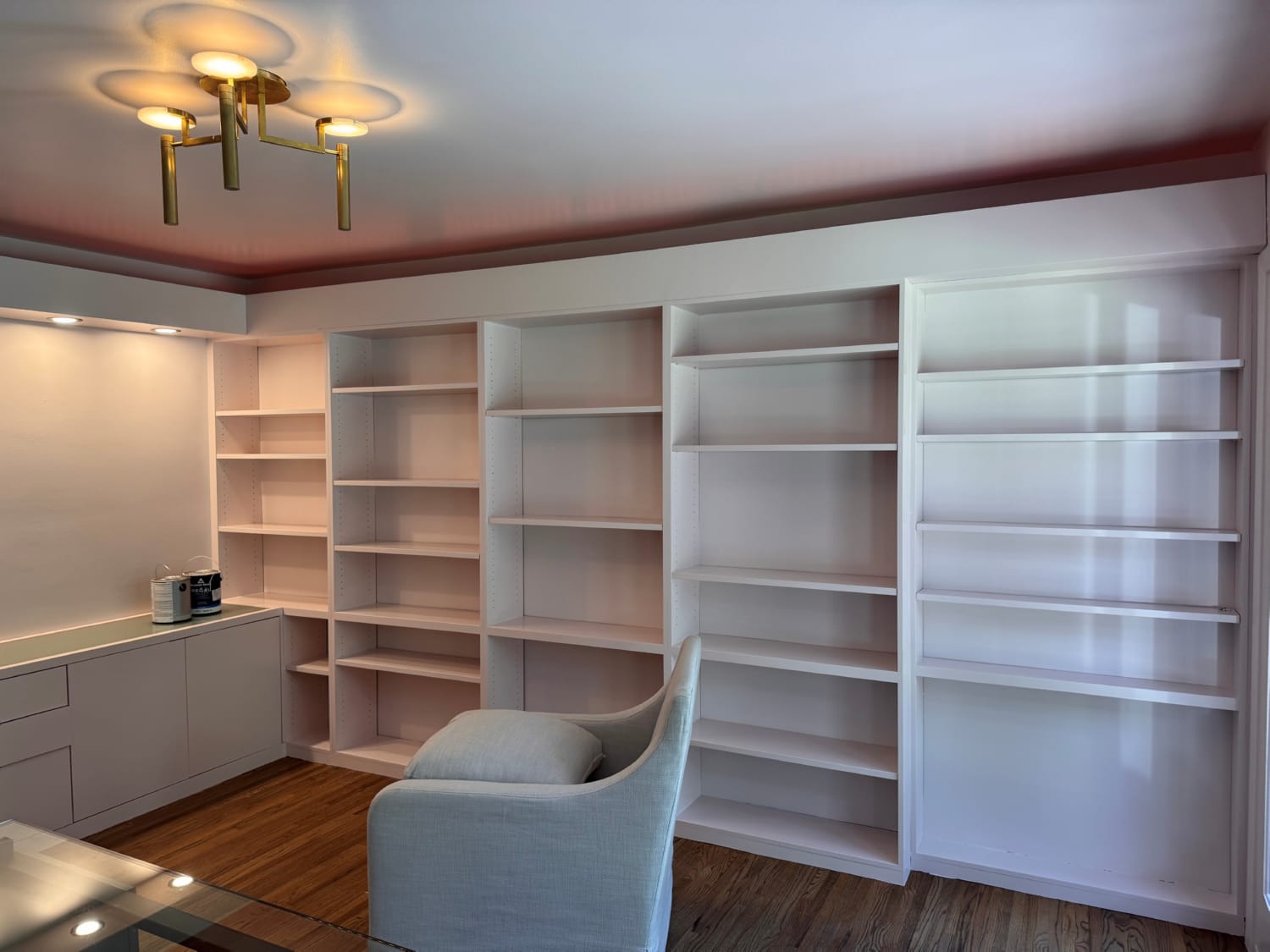
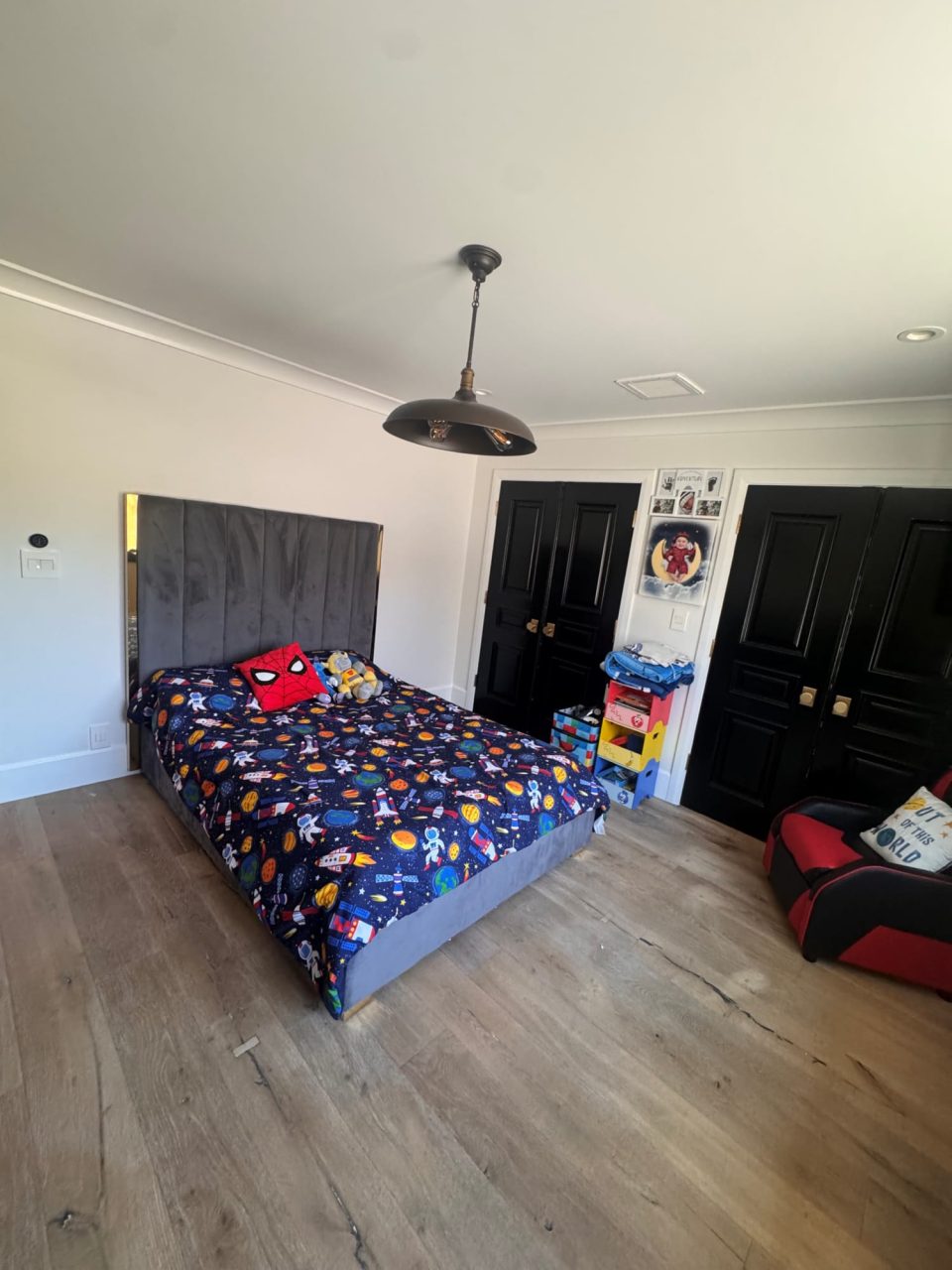
Breaking down costs by individual rooms provides a clearer picture of your investment. Bedrooms typically represent the most straightforward painting projects, with standard wall preparation and minimal trim work. Living rooms and family rooms often cost more due to larger square footage and higher ceilings that require ladder access and additional safety measures.
Kitchens present unique challenges with cabinet protection, backsplash masking, and careful furniture moving around appliances. Bathrooms require moisture-resistant paint and precise masking and taping around fixtures. Dining rooms fall into a moderate price range, while hallways and staircases can be surprisingly complex due to vaulted ceilings, awkward angles, and challenging access points that slow down the painting process.
Ceiling height dramatically impacts labor costs and project duration. Standard eight-foot ceilings are straightforward, but ten-foot or higher ceilings in areas like Beverly Hills and West Hollywood homes require additional equipment, safety measures, and time. High ceilings and vaulted ceilings can increase labor costs substantially.
Wall condition determines preparation requirements. Smooth walls ready for paint cost less than surfaces needing drywall patching, texture repairs, or extensive wall preparation work. Color changes, especially from dark to light tones, typically require multiple coat requirements and additional primer application. Architectural complexity—such as accent walls, feature walls, intricate trim painting, or detailed moldings—adds time and precision work that increases professional painter rates.
Paint selection significantly influences both cost and longevity. Latex paint remains the most popular choice for interior walls, offering easy cleanup and low-odor properties. Major brands like Benjamin Moore, Sherwin-Williams, Behr paint, and Dunn-Edwards provide various quality tiers from budget to premium.
Paint quality levels range from contractor-grade to premium formulations. Budget options may require additional coats and wear faster, while premium paints offer better coverage, durability, and color retention. Understanding paint sheen options helps match finishes to room functions. Flat or matte finishes work well for low-traffic areas, eggshell finish provides subtle elegance for living spaces, satin paint offers moderate sheen for family rooms, semi-gloss trim suits high-moisture areas like bathrooms, and full gloss delivers maximum durability for cabinets and doors.
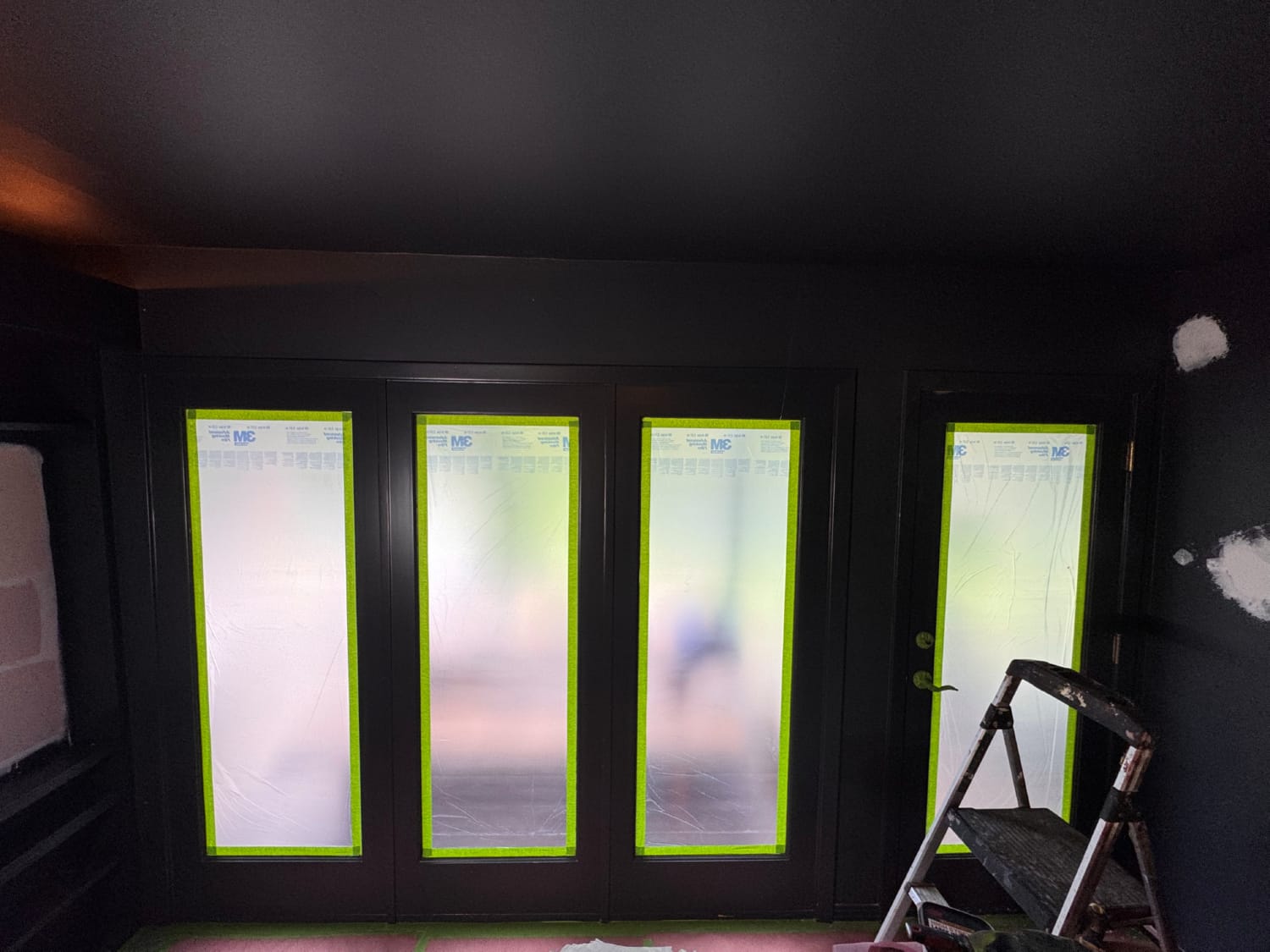
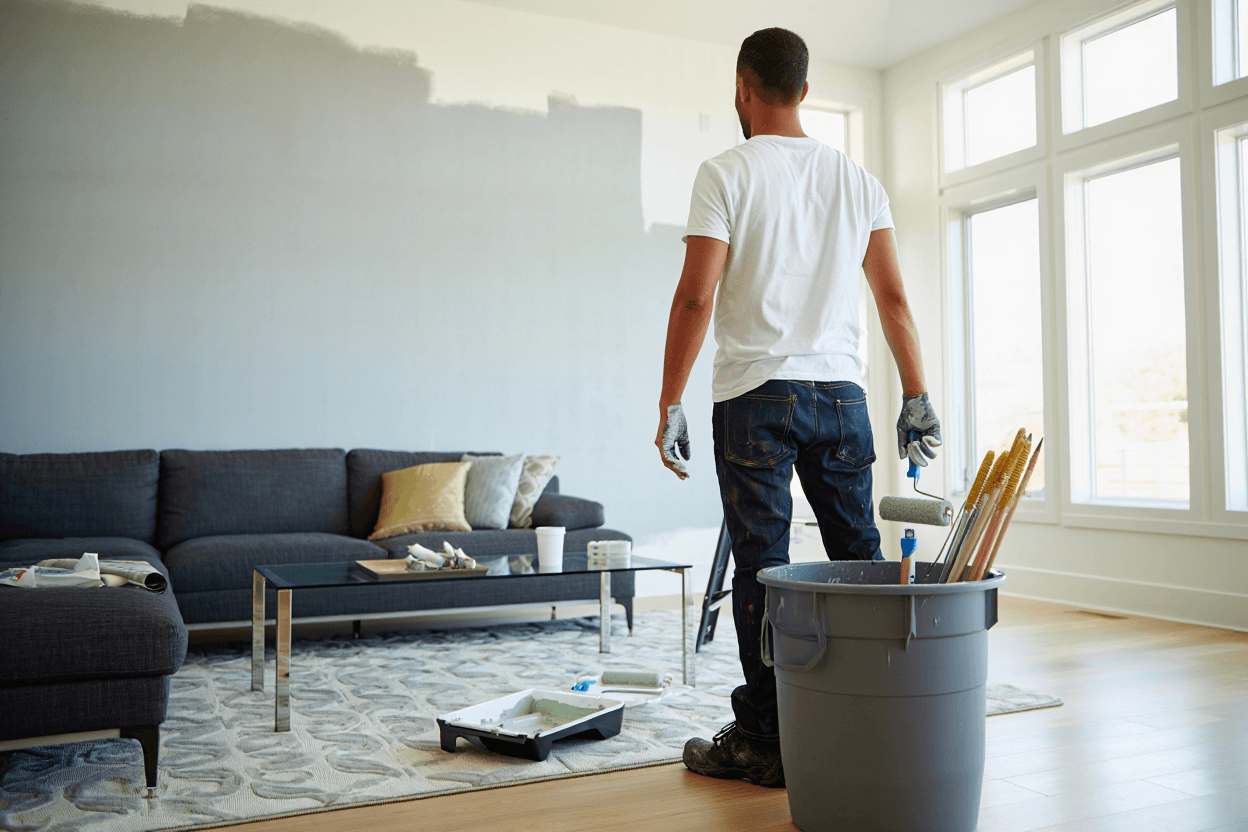
Professional painting projects typically allocate the majority of the budget to labor rather than materials. Labor costs cover far more than just brush and roller application—they include comprehensive room preparation, furniture protection with drop cloths, meticulous masking and taping, surface preparation work, drywall repair pricing when needed, primer and paint application, and thorough cleanup services.
Materials represent a smaller portion but remain essential. This includes all paint, primer, painter’s tape, drop cloths, spackling compound, sanding materials, and other painting supplies needed. Understanding this proportion helps homeowners appreciate the value of skilled craftsmanship and why professional painter rates reflect expertise, efficiency, and quality assurance.
Several factors beyond basic painting can affect your total investment. Furniture moving ranges from simple room clearing to extensive relocation of heavy items. Drywall repair and wall texture matching may be necessary for homes with damage or imperfections. Some projects require removing old wallpaper before painting can begin—a time-intensive process.
Color consultation services help homeowners select the perfect palette, while paint samples and test patches allow you to visualize options before committing. VOC levels and environmental considerations may lead to choosing low-odor paint or specialty formulations. Warranty coverage varies by contractor, so clarify what’s included in your painting contractor quotes.
The decision between self-painting and hiring professionals involves multiple considerations beyond simple cost comparison. DIY projects can save money on labor but require significant time investment—often one to two weeks for an average home compared to three to five days for experienced professionals.
Equipment costs add up quickly when painting yourself: quality brushes, rollers, sprayer equipment, ladders for ceiling access, drop cloths, and painter’s tape. Professional house painting in Los Angeles teams bring commercial-grade tools and years of experience that produce superior results. They understand proper surface preparation techniques, paint coverage calculation, and how to achieve a smooth finish without brush marks or uneven roller application.
Professionals also carry insurance and offer warranty coverage—crucial protection if issues arise. For homeowners in Pasadena, West Hollywood, and surrounding areas, the time saved and quality achieved often justify the investment in professional services.
Strategic planning can reduce your interior painting estimate without sacrificing quality. Tackle room preparation yourself by moving furniture, removing wall decorations, and cleaning surfaces—this reduces billable hours. Scheduling projects during winter months, the traditional low season, may yield better painting pricing as contractors seek to fill their calendars.
Focus on high-traffic areas first—living rooms, kitchens, and main hallways—for maximum visual impact with controlled spending. Selecting neutral colors or warm tones often requires fewer coats than dramatic color changes. Lighter shades typically cover better than deep, saturated hues, reducing material needs and application time.
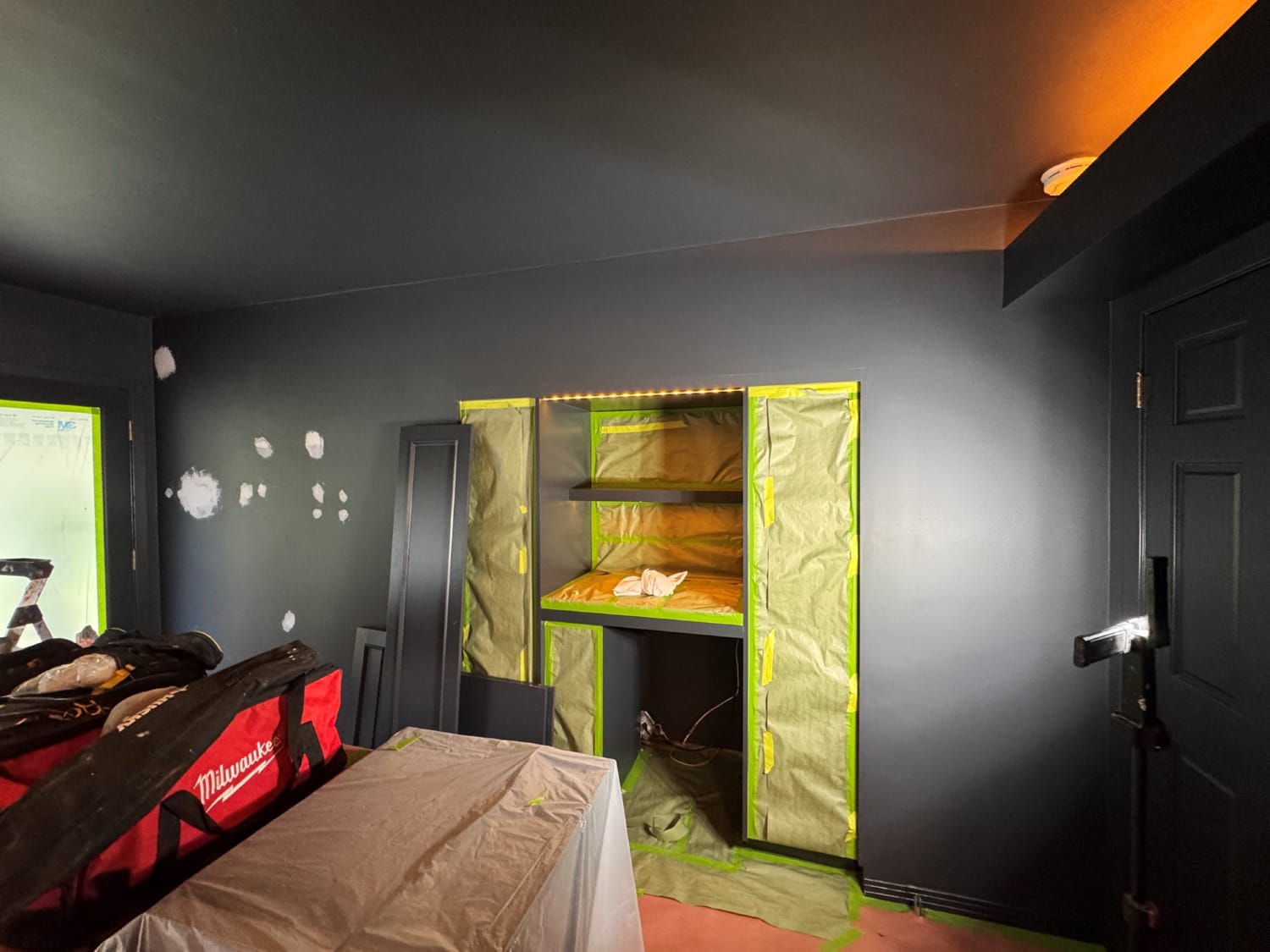
Quality painting contractor quotes should provide detailed breakdowns, not just bottom-line numbers. A comprehensive interior painting estimate includes specific room measurements, agreed-upon number of coats, paint brand and quality level, detailed surface preparation work required, trim painting specifications, realistic project timeline, and clear warranty coverage terms.
When comparing quotes from multiple contractors, look beyond the total price. Evaluate what each proposal includes, the quality of materials specified, contractor credentials and insurance, customer reviews from Los Angeles homeowners, and the overall professionalism of the presentation. The lowest bid isn’t always the best value—consider the complete package of quality, service, and reliability.
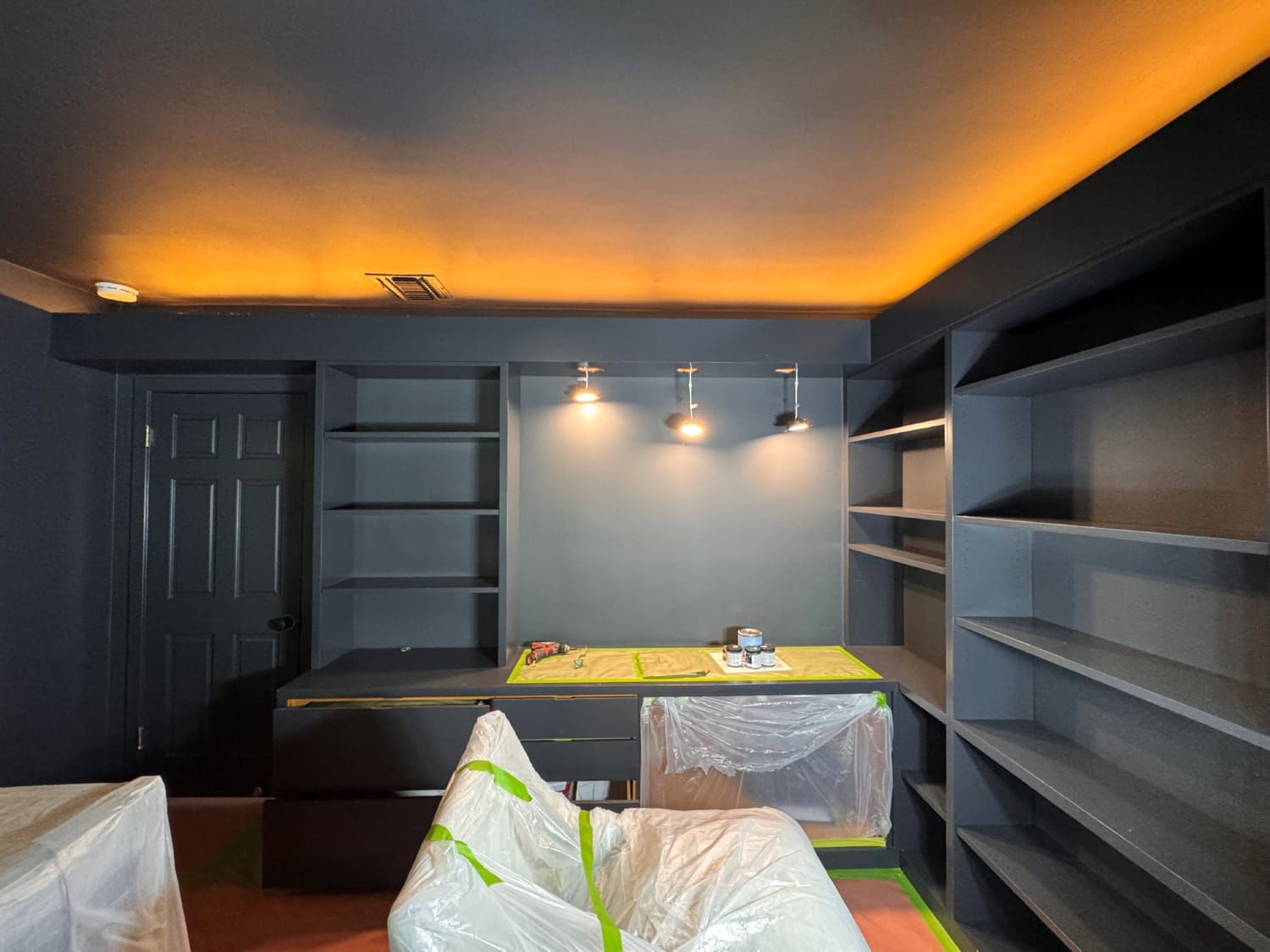
Understanding realistic timelines helps you plan around painting projects. A single bedroom typically takes one to two days including preparation and drying time between coats. An entire floor with multiple rooms requires three to five days. Complete house painting for 2,000+ square-foot homes generally spans five to seven days, though complex projects may extend longer.
The process follows a predictable sequence: initial consultation and color selection, thorough room preparation and furniture protection, surface repairs and primer application, first coat of paint application, drying period and quality inspection, second coat application when needed, and final cleanup and walkthrough. Professional contractors maintain consistent schedules while ensuring each phase receives proper attention.
Most residential projects take three to seven days depending on home size and complexity. A 2,000-square-foot home typically requires five to seven days for complete interior painting including preparation, multiple coats, and proper drying time between applications.
While many professional painting services include furniture moving, clearing rooms beforehand can reduce costs and protect your belongings. At minimum, remove wall decorations, fragile items, and small furniture pieces. Discuss furniture protection expectations during your initial consultation.
Most interior painting projects require two coats for optimal coverage and durability. Dramatic color changes, especially from dark to light, may need additional coats. Premium paint quality can sometimes achieve excellent results with fewer applications, while budget options often require more layers.
Interior painting works year-round in Los Angeles’s mild climate, but winter months often offer better pricing and availability. Avoid scheduling during humid weather when possible, as it extends drying time. Spring and fall provide ideal conditions with moderate temperatures and good ventilation options.
Allow at least 24 hours before placing items against freshly painted walls, though 48-72 hours is ideal for full curing. Avoid hanging pictures or applying painter’s tape to new paint for at least two weeks. Premium paints often cure faster than budget alternatives.
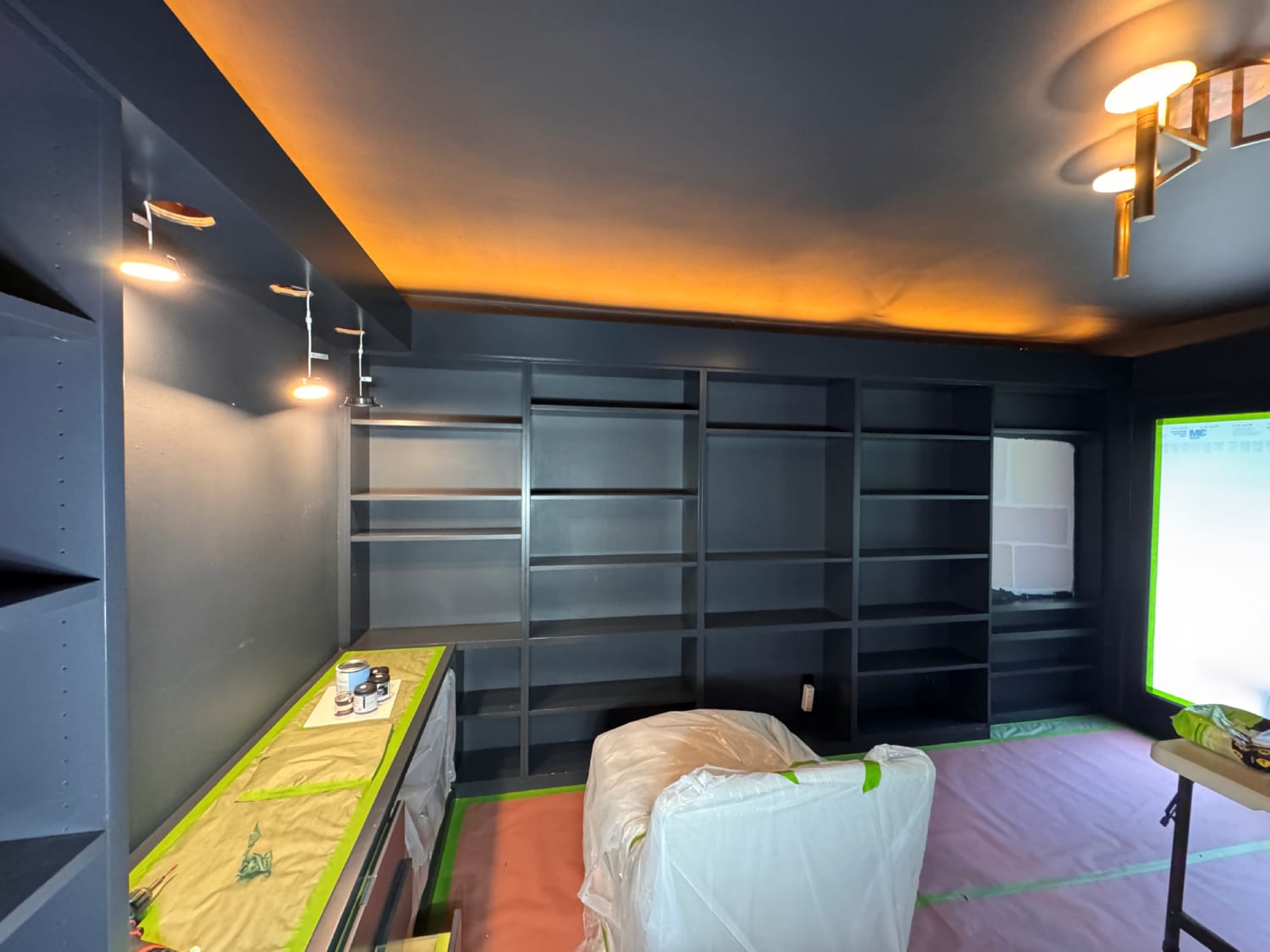
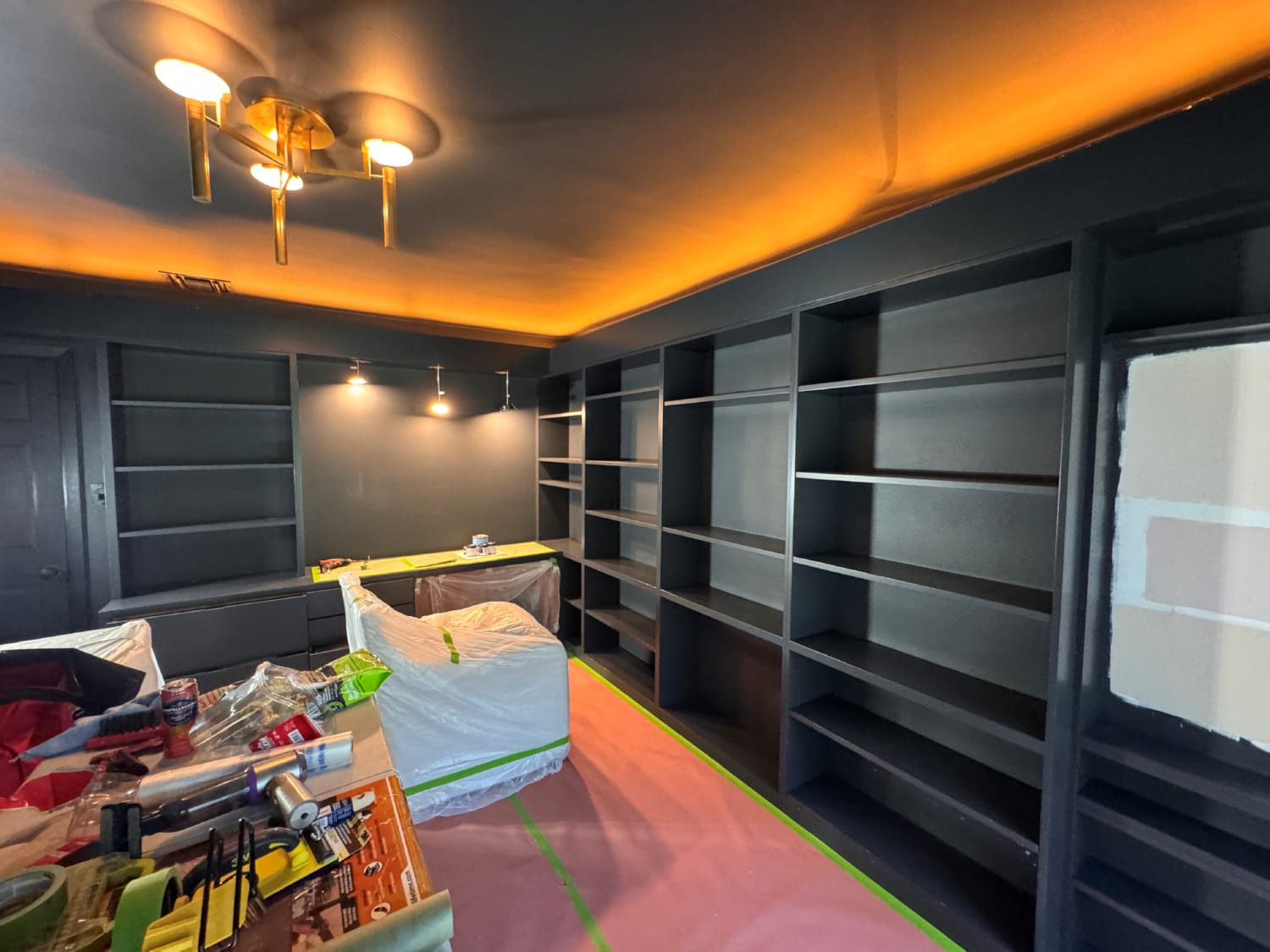
Explore our portfolio of completed painting projects. Each project showcases our commitment to quality craftsmanship, attention to detail, and professional results. Browse through our gallery to see the transformations we’ve created for our satisfied clients.