Healthcare environments demand more than standard painting contractors. One hospital learned this lesson expensively when they hired a residential crew who didn’t understand infection control protocols—the project got shut down by compliance officers after three days, wasting time and money. Medical facilities need painters who grasp antimicrobial requirements, understand dust containment, and know how to work around patient care without causing disruptions.
We’ve spent years mastering the unique demands of healthcare painting. That means using specialized coatings that inhibit bacterial growth, scheduling work during off-hours to avoid interfering with patient treatments, and following strict infection control protocols that protect vulnerable populations. Whether it’s a busy emergency department or a quiet rehabilitation center, we adapt our approach to your facility’s specific needs and regulatory requirements.
Hospitals present complex challenges with 24/7 operations, critical care areas, and sterile environments requiring special handling. We’ve painted intensive care units, operating room corridors, and patient wings without disrupting care delivery.
Urgent care centers need quick turnarounds during their limited closure windows. We schedule efficiently to complete work between shifts or during planned closures.
Medical offices and dental offices serve patients throughout the day. We typically work evenings and weekends, finishing before Monday morning appointments begin.
Clinics vary widely—from small neighborhood practices to large multi-specialty centers. Each requires customized scheduling and material selection based on their patient volume and services provided.
Rehabilitation facilities house patients undergoing extended treatment. We minimize disruption and use low-odor products to maintain their healing environment.
Nursing homes serve elderly residents with sensitivities to fumes and disruption. We work in phases, relocating residents temporarily and using no-VOC formulations.
Surgical centers maintain sterile environments where dust contamination could compromise procedures. Our containment protocols prevent airborne particles from entering critical areas.
Laboratories handle sensitive equipment and testing. We protect instruments, coordinate with staff on scheduling, and use coatings compatible with frequent chemical cleaning.
Standard paints don’t cut it in healthcare settings. Antimicrobial paint contains additives that inhibit bacterial and fungal growth on painted surfaces, reducing infection transmission between patients and staff. These formulations are particularly important in patient rooms, bathrooms, and high-touch areas.
Microbicidal coatings go further than antimicrobial products, actively killing microorganisms on contact rather than just inhibiting growth. We recommend these for operating rooms, isolation units, and areas treating immunocompromised patients.
Low-VOC paints minimize volatile organic compound emissions, protecting patients with respiratory conditions and chemical sensitivities. California regulations already require low-VOC products, but healthcare facilities often specify even stricter limits.
No-VOC paints eliminate virtually all harmful emissions, ideal for pediatric wards, maternity units, and facilities serving vulnerable populations. These formulations cost more but provide maximum safety.
Easy-to-clean surfaces withstand repeated disinfection with harsh cleaning agents. Healthcare surfaces get scrubbed frequently with bleach solutions and hospital-grade disinfectants that would destroy residential paint finishes within months.
Antibacterial treatments can be applied over existing paint or incorporated into new coatings, extending protection without full repainting projects.
Interior painting encompasses patient rooms designed with calming colors, hallways using wayfinding color schemes, waiting areas creating welcoming atmospheres, and examination rooms with durable, cleanable finishes. We also paint nurses’ stations, administrative offices, cafeterias, and all common areas.
Exterior painting protects building envelopes while maintaining professional appearances. We coordinate with facility operations to avoid blocking emergency entrances or disrupting deliveries.
Wallcovering installation provides additional durability in high-traffic areas. Vinyl wallcoverings resist damage from gurneys and equipment while offering easy cleaning and maintenance.
Floor coatings create slip-resistant, easy-to-sanitize surfaces in labs, operating rooms, and corridors. Epoxy and polyurethane systems withstand heavy traffic and chemical exposure.
Wall protection systems include FRP (fiber-reinforced plastic) panels in corridors where equipment impacts occur, and corner guards preventing damage from carts and wheelchairs.
| Standard walls: | 0.90 – 1.80$ | per sq ft |
| Ceiling painting: | 1.00 – 1.90$ | per sq ft |
| High ceilings (12ft+): | 1.40 – 2.50$ | per sq ft |
| Accent/feature walls: | 1.80 – 2.50$ | per sq ft |
| flush doors (with frame): | 100 – 180$ | per door |
| Steel/metal doors (with frame): | 180 – 250$ | per door |
| Solid wood doors: | 150 – 280$ | per door |
| Baseboards: | 2.00 – 4.00$ | per linear ft |
| Crown molding: | 3.50 – 6.50$ | per linear ft |
| Window trim: | 3.00 – 5.50$ | per linear ft |
| Medical cabinets: | 60 – 120$ | per linear ft |
| Built-in shelving: | 45 – 90$ | per linear ft |
| Reception desks: | 300 – 900$ | each |
| Standard exterior: | 1.60 – 2.80$ | per sq ft |
| Brick/masonry: | 1.76 – 3.04$ | per sq ft |
| Stucco: | 1.60 – 2.80$ | per sq ft |
| Trim & fascia: | 3.20 – 4.80$ | per linear ft |
| Soffits: | 2.80 – 4.40$ | per linear ft |
| Waterproofing services: | 1.20 – 2.80$ | per sq ft |
| Elastomeric coating: | 0.96 – 2.00$ | per sq ft |
Patient care never stops, so neither do we when necessary. Work during off-hours means we paint when your facility has minimal activity—typically evenings, overnight, or early mornings before patient appointments begin.
Nights and weekends work especially well for medical offices and clinics with standard business hours. We start Friday evening and finish Sunday night, leaving a fully cured, odor-free space for Monday.
Phased project approach divides large facilities into manageable sections, completing one wing before moving to the next. This prevents entire buildings from being disrupted simultaneously.
Section-by-section painting allows departments to continue functioning while adjacent areas undergo renovation. We coordinate with administrators to ensure critical services remain accessible throughout projects.
Infection control protocols aren’t optional in healthcare settings. We seal work areas with plastic barriers, use negative air machines to prevent contaminated air from spreading, and follow CDC guidelines for construction in occupied medical facilities.
Dust containment systems capture particles before they escape work zones. HEPA filtration removes even microscopic contaminants that could compromise sterile environments or harm patients with respiratory issues.
Negative air setups create pressure differentials that prevent dust and fumes from migrating into patient care areas. Air flows into our work zone but doesn’t escape into occupied spaces.
Proper PPE for our crews includes respirators, protective clothing, and equipment appropriate for healthcare environments. We follow the same hygiene standards required of medical staff.
OSHA compliance covers fall protection, chemical handling, and worker safety. Our crews receive regular training on current regulations and best practices.Licensed and insured contractors carry appropriate coverage for healthcare work, including higher liability limits than residential projects typically require.
Contact us for a free consultation on your medical facility painting needs. Let’s discuss how we can refresh your space while maintaining patient safety and care quality.
Experience with healthcare facilities spanning hospitals, clinics, and medical offices means we’ve encountered the challenges your project will present. Specialized training in infection control and healthcare compliance sets us apart from general commercial contractors. Quality materials from manufacturers who specifically formulate products for healthcare applications ensure proper performance. Minimal disruption through careful planning and flexible scheduling protects your operations. Clean work environment maintained throughout projects prevents contamination and demonstrates professionalism. Flexible scheduling adapts to your facility’s needs rather than forcing you to accommodate ours. Written estimates detail scope, materials, and timeline clearly. Full insurance coverage protects your facility from liability.
Therapeutic color schemes leverage research showing certain colors affect patient recovery rates and staff productivity. Blues and greens promote calmness, while warmer neutrals create welcoming spaces.
Wayfinding color systems help patients and visitors navigate complex facilities. Different wings or floors receive distinct color coding, reducing confusion and anxiety.
Calming colors for patient rooms like soft blues, greens, and lavender reduce stress and potentially improve healing outcomes according to healthcare design studies.
Bright colors for pediatric areas create cheerful, engaging environments that reduce children’s anxiety about medical visits. We help select age-appropriate, developmentally supportive palettes.
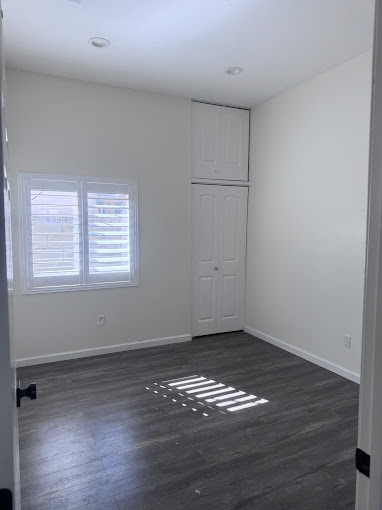
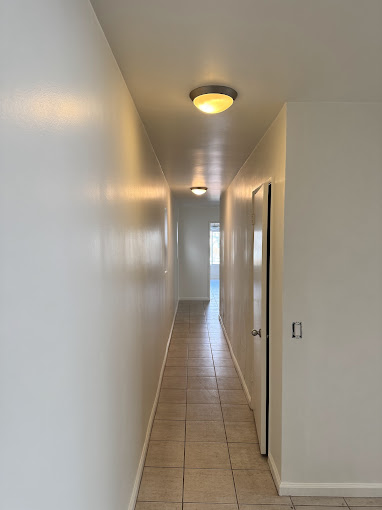
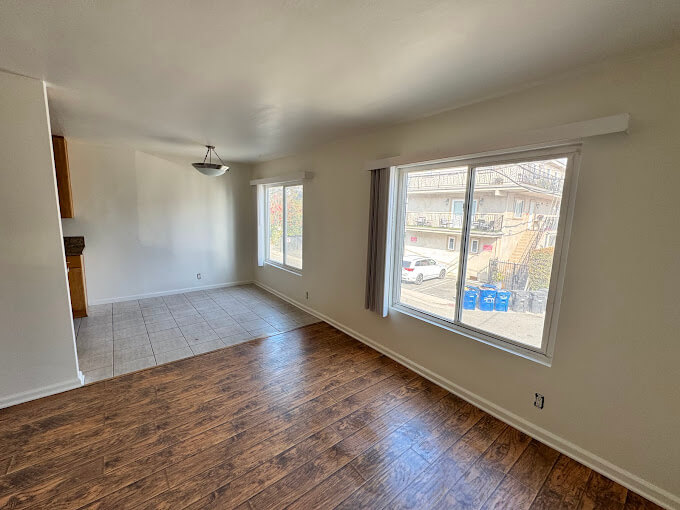
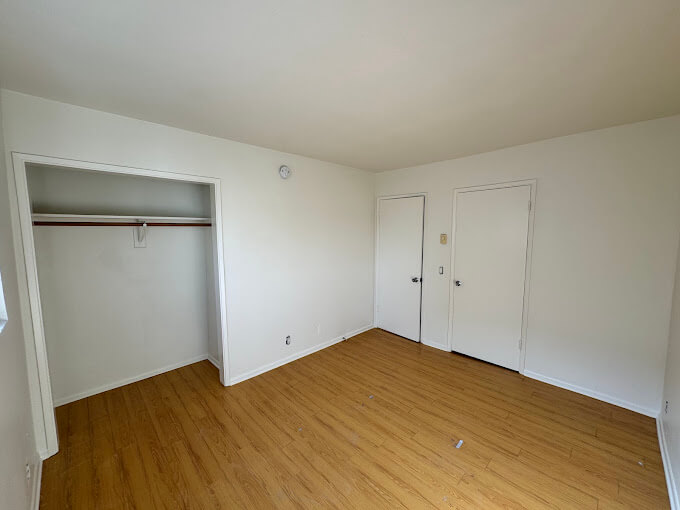
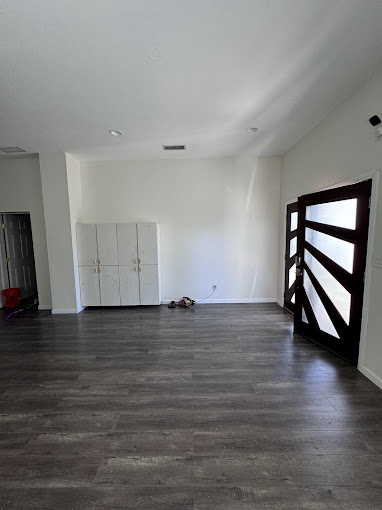
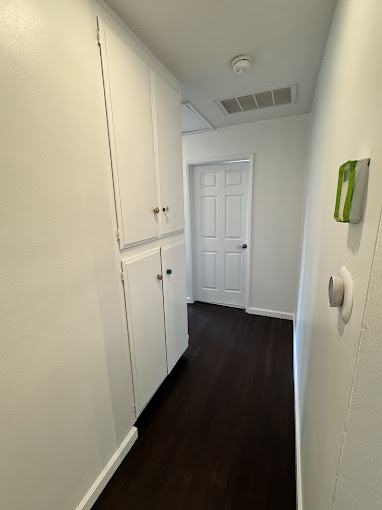
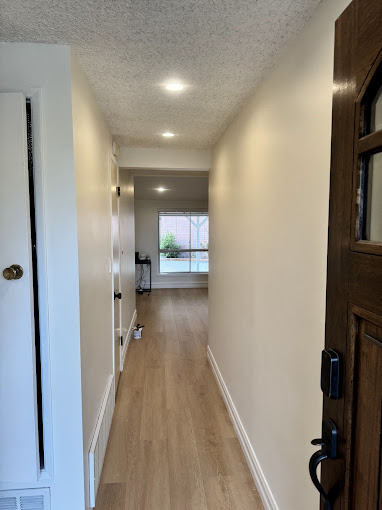
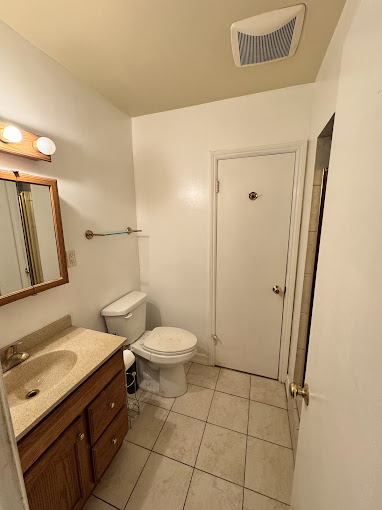
Explore our portfolio of completed painting projects. Each project showcases our commitment to quality craftsmanship, attention to detail, and professional results. Browse through our gallery to see the transformations we’ve created for our satisfied clients.
Antimicrobial and low-VOC or no-VOC paints meet healthcare safety standards. We use formulations specifically designed for medical environments that inhibit bacterial growth and withstand frequent disinfection.
We work during off-hours, nights, and weekends when patient volume is lowest. Phased approaches allow departments to continue operating while we paint adjacent areas section by section.
Yes, these are standard for healthcare projects. We stock multiple antimicrobial formulations and can provide no-VOC options for sensitive environments like pediatric wards.
Absolutely. Most healthcare painting happens outside regular hours to avoid disrupting patient care and appointments. Our crews regularly work overnight and weekend schedules.
Yes, we carry appropriate licensing and higher insurance limits required for medical facility work, including liability coverage protecting against disruption claims.
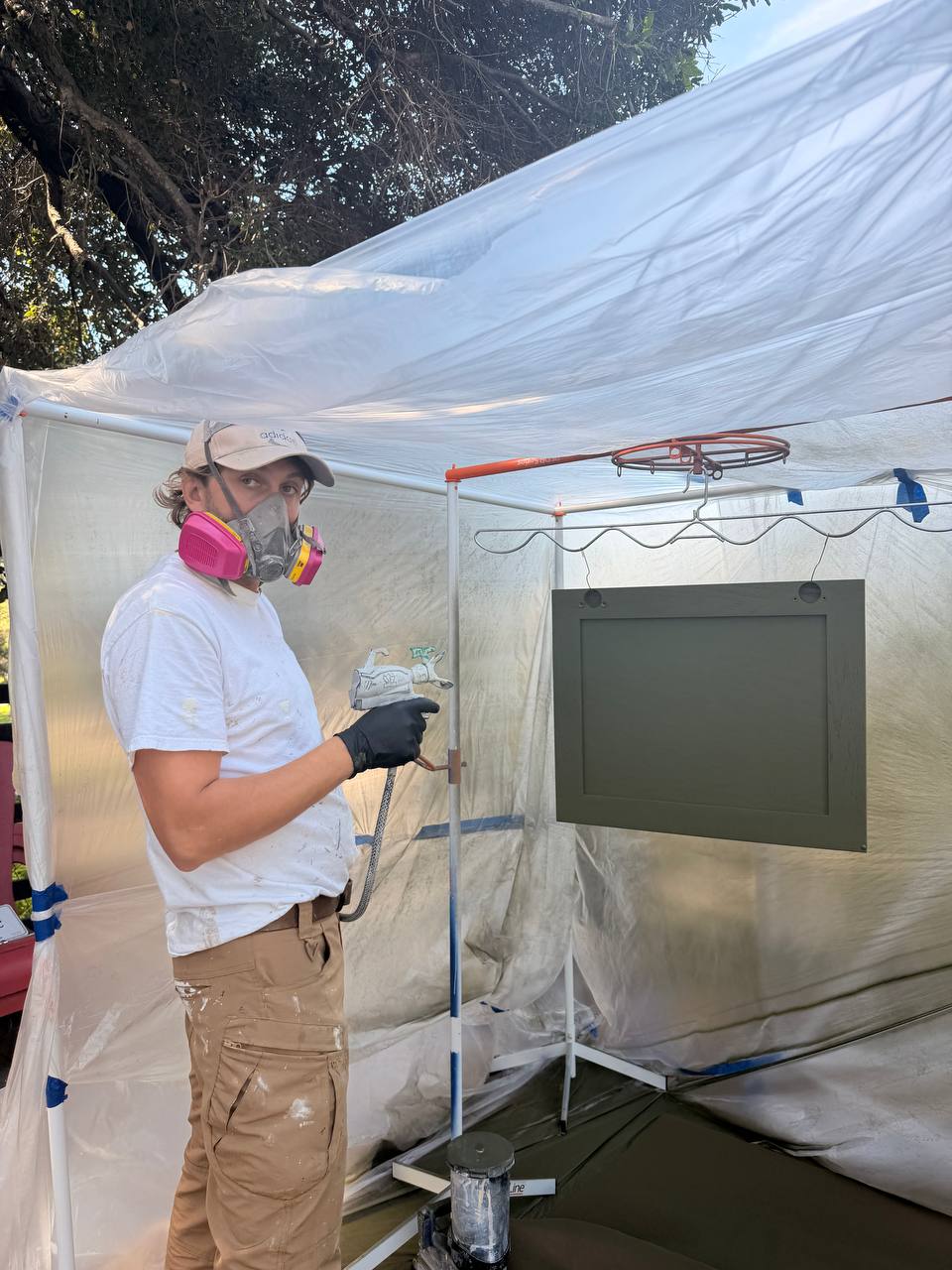
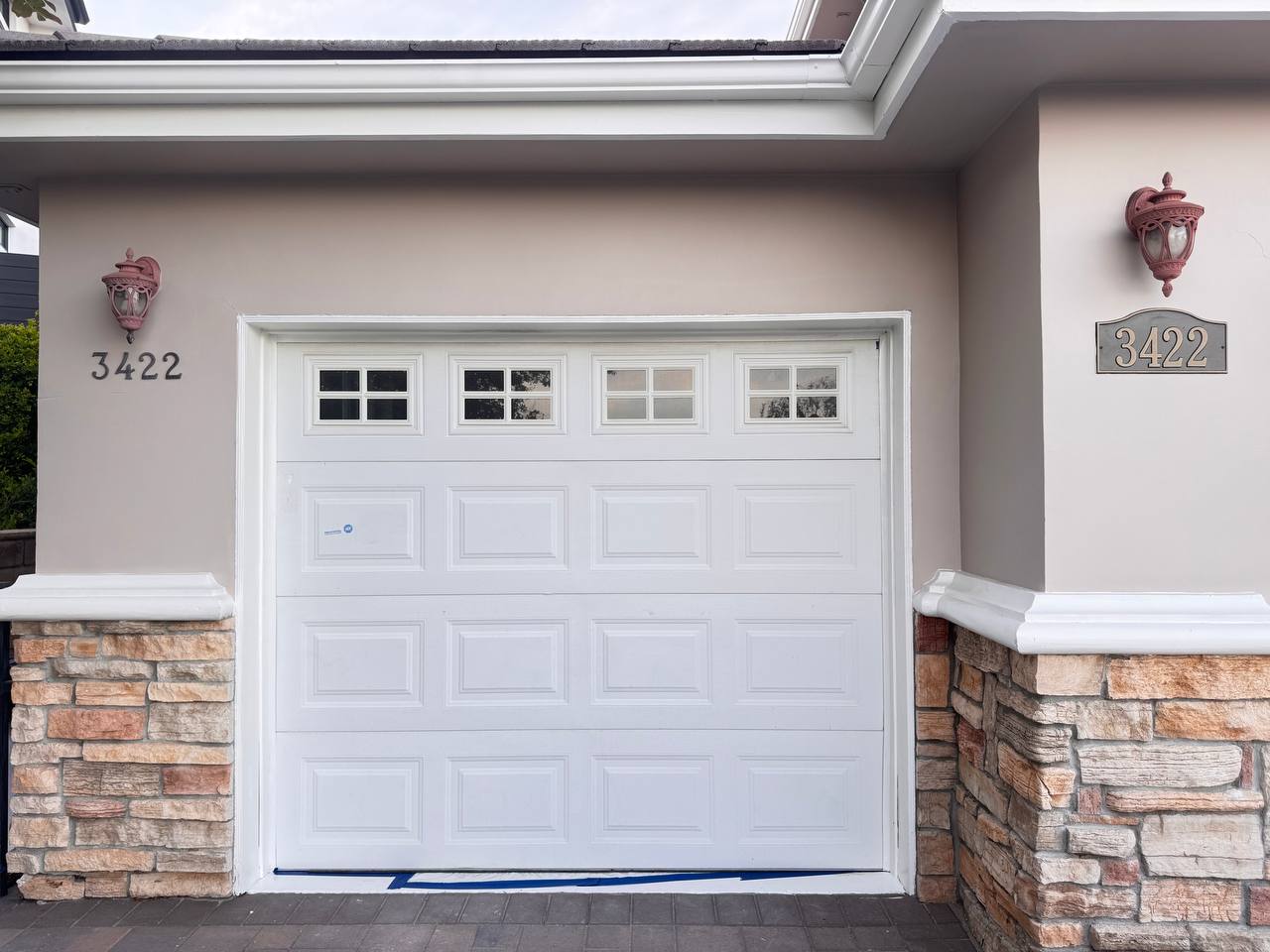
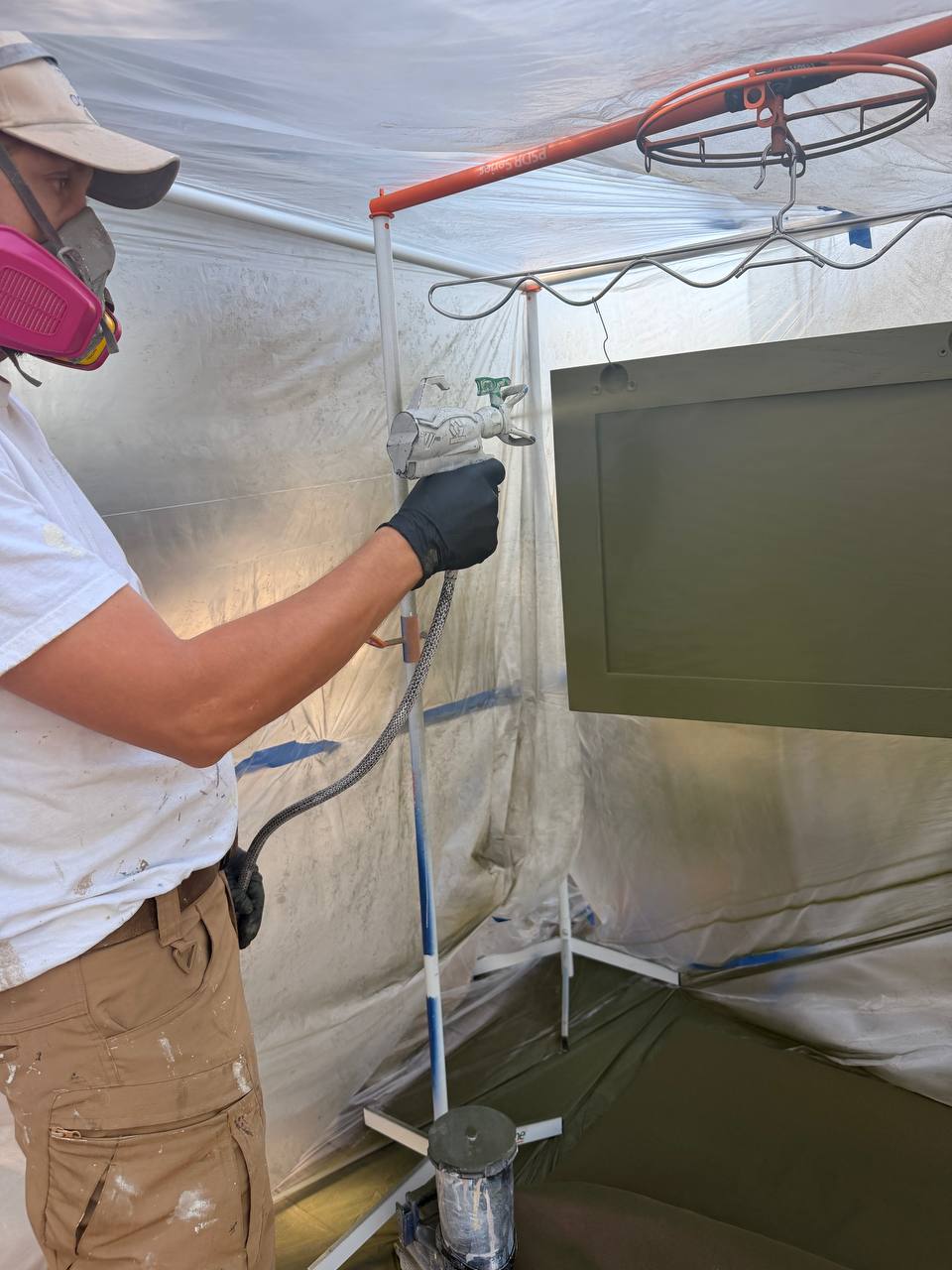
I couldn’t be happier with the work on my kitchen cabinets. The paint finish is beautiful and completely transformed the space , it truly gave my kitchen a facelift. He handled my home with care, worked with great attention to detail, and delivered an outstanding result.
Professional, reliable, and clearly takes pride in his craft. I already have a list of additional projects lined up for him as I continue remodeling my bungalow. Highly recommend!
https://maps.app.goo.gl/drxdU1imMJ3WHype9

Great experience overall. I hired Mike for interior painting, door painting, furniture painting, and drywall repairs, and everything was done professionally and with great attention to detail. The preparation was solid, the lines are clean, and the finish looks excellent. The work was completed on time, communication was easy, and all questions were answered clearly throughout the process. You can tell he really cares about quality and takes pride in his work. Very happy with the results and would definitely recommend Mike to anyone looking for reliable and high-quality painting services.
https://maps.app.goo.gl/mYLJBa1NchjVDDNz7

Mikhail did an excellent job with the painting work! He was precise, neat, and completed everything even faster than I expected. The results were beyond my expectations. Highly professional and efficient—definitely recommend!
https://maps.app.goo.gl/tDiKEiFYuicMpHhR9

Professional painter, Always on time, Excellent work ethic. I would definitely recommend Rarov Painting.
https://maps.app.goo.gl/utprYdTo5kab9oEp7