Medical offices in Los Angeles operate in a strange space between hospitality and science. Patients walk in nervous already. The walls matter more than people admit. Too dark feels clinical in the wrong way. Too bright feels exhausting. Beige somehow survives another decade. Nobody knows why. Dentists especially seem trapped in an eternal contract with beige.
Medical environments come with stricter expectations. Cleaner finishes. Better scheduling. Faster timelines. More coordination. Sometimes biohazard restrictions. Sometimes doctors who suddenly decide they hate soft tawny halfway through the project.
In 2026, painting a medical office in Los Angeles costs more than standard commercial painting for a reason: precision matters. Downtime costs money. Patients notice cleanliness instantly. And healthcare properties experience heavy daily wear from carts, equipment, chemicals, constant cleaning, and endless human traffic. Endless. Hallways in clinics somehow age like airport terminals.
At Mr. Rarov Painting we help Los Angeles clinics, private practices, dental offices, and medical facilities repaint efficiently without turning operations upside down. Local California crews. Organized scheduling. Durable commercial-grade finishes. No chaos disguised as construction management.
The short answer: it depends heavily on size, operating hours, prep complexity, and whether the facility must remain open during work.
Typical 2026 Los Angeles pricing looks roughly like this:
| Medical Property Type | Average Painting Cost |
| Small private practice | $3,000–$8,000 |
| Dental office | $4,500–$12,000 |
| Multi-room clinic | $10,000–$30,000+ |
| Large medical facility | $40,000+ |
| Exterior clinic repaint | $5–$14 per sq. ft. |
And yes, costs can climb very quickly once specialty coatings or overnight scheduling enters the picture.
A dermatology office in Beverly Hills may require something entirely different than an urgent care center in East LA. One prioritizes luxury aesthetics. The other prioritizes durability and rapid turnover. Both still need walls painted correctly. Paint remains stubbornly universal that way.
People assume square footage controls everything. Not even close. In healthcare environments, logistics often matter more than wall size.
Most clinics cannot simply close for four days because painters arrived with ladders and existential optimism.
Painting around active operations usually means:
Naturally, that increases cost. But it prevents revenue disruption, which matters more.
Some medical offices lose thousands daily if patient schedules collapse. Suddenly overtime painting labor feels less dramatic.
Healthcare walls suffer quietly.
Repeated cleaning chemicals, disinfectants, equipment collisions, adhesive damage from signage, rolling carts scraping corners — it adds up. Fast.
Proper prep often includes:
Especially in older Los Angeles medical buildings where previous renovations happened in layers over decades. Sometimes you sand a wall and discover three different decades underneath. Strange archaeological experience.
Medical facilities rarely use basic residential paint.
Many clinics request:
These materials cost more but perform significantly better in healthcare environments.
Cheap paint inside a clinic ages badly. Reception desks become scuffed. Hallways lose consistency. Exam rooms begin looking tired in a deeply specific fluorescent-light way.
Los Angeles commercial buildings love paperwork almost as much as they love parking restrictions.
Medical office painting may involve:
Downtown LA high-rises especially turn basic projects into logistical puzzles.
A clinic is not just another commercial property. The expectations shift completely.
Patients unconsciously judge cleanliness through visual cues:
Fresh paint influences trust. Quietly. But very powerfully.
Nobody walks into a peeling exam room and thinks about sterilization procedures.
Medical environments rely heavily on emotional atmosphere.
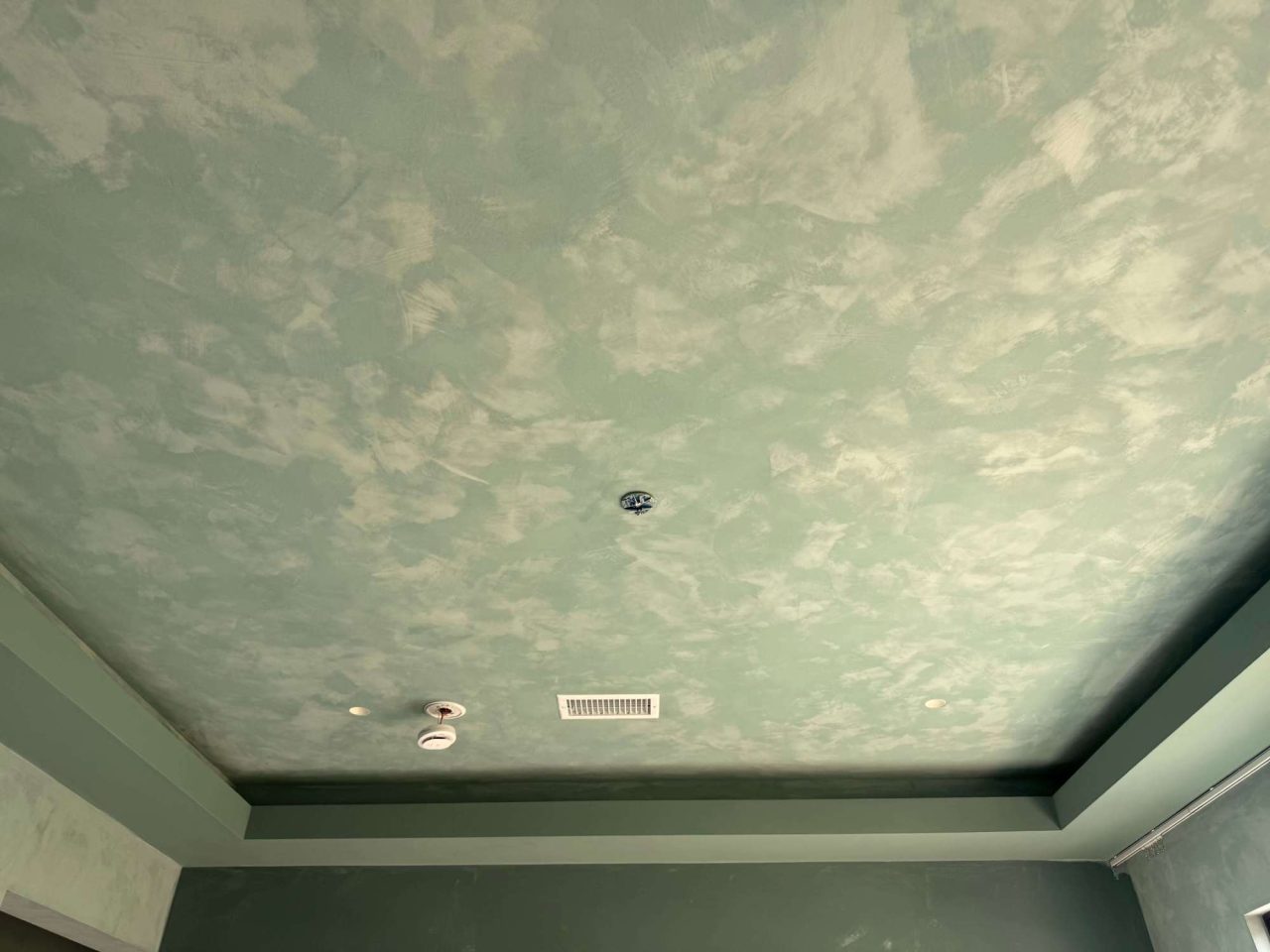
Soft neutrals, muted greens, warm whites, pale earth tones — these help spaces feel calmer and cleaner simultaneously. Overly glossy paint feels institutional. Dark dramatic colors sometimes create anxiety unintentionally.
Though occasionally a boutique cosmetic clinic requests charcoal-black accent walls and suddenly the project feels like a luxury hotel lobby. Los Angeles contains multitudes.
Healthcare facilities experience constant cleaning, heavy traffic, frequent wall contact, equipment abrasion, and chemical exposure.
Professional-grade coatings reduce:
That lowers long-term maintenance costs significantly.
At Mr. Rarov Painting, we understand commercial healthcare environments because we approach projects systematically, not casually.
We work with:
Our California-based crews understand Los Angeles building logistics, scheduling challenges, and commercial property expectations. No random subcontractor confusion. No disappearing project managers. No half-finished waiting room abandoned over a holiday weekend while everybody stops answering phones mysteriously.
We focus heavily on:
And honestly, healthcare offices require consistency more than flashy creativity. Patients want spaces that feel calm, hygienic, and maintained properly. The paint should support that experience quietly instead of demanding attention like a nightclub restroom renovation.
Though Los Angeles probably has one of those too somewhere.
Most Los Angeles medical office painting projects range between $3,000 and $30,000+ depending on square footage, scheduling requirements, prep complexity, and paint systems selected.
Professional commercial painters often work in phases, evenings, or weekends to minimize disruption and allow clinics to continue operating safely during repainting projects.
Low-VOC, durable, scrubbable commercial coatings are typically best for healthcare spaces. Many clinics also request antimicrobial or moisture-resistant finishes depending on the environment.
Small practices may take several days, while larger clinics or multi-floor facilities can require multiple weeks depending on scheduling and operational restrictions.